


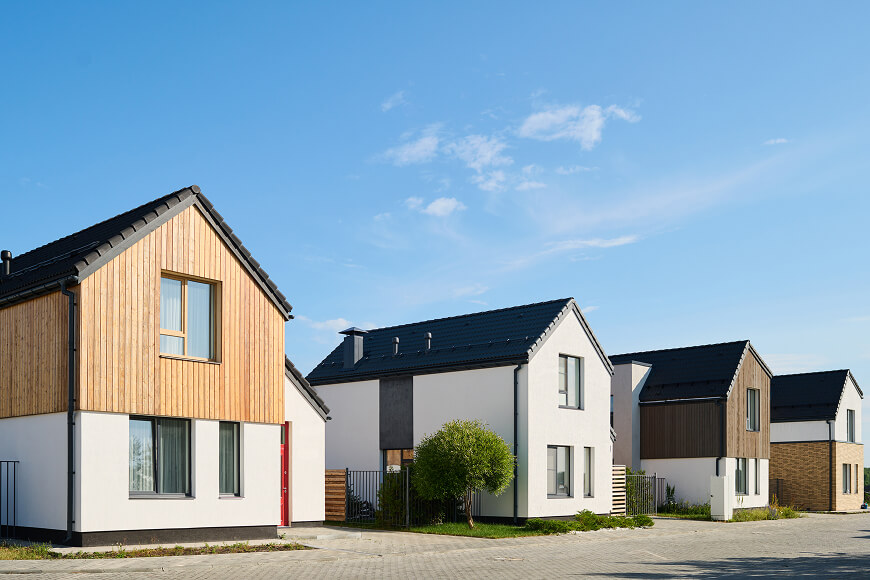
The world of home construction is evolving, and prefab homes are at the forefront of this transformation. Despite their growing popularity, several misconceptions about prefabricated homes persist, leading many to unfairly categorize them as inferior. In reality, these homes offer a unique blend of efficiency, affordability, and quality that challenges traditional building methods.
«Prefab homes are not merely a trend; they represent a sustainable future in housing that prioritizes both quality and environmental responsibility.»
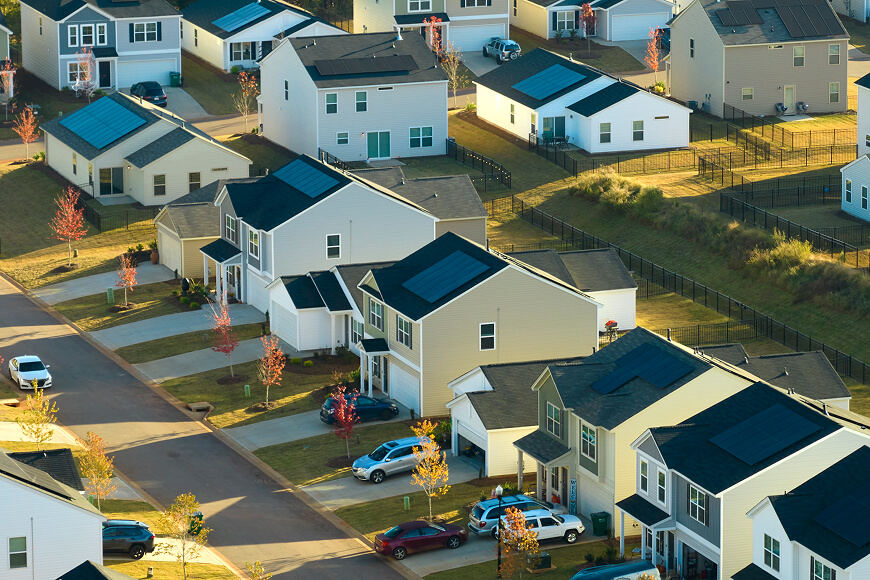
As we dive deeper into the realm of prefab and modular homes, it’s essential to demystify these structures and showcase their benefits.
- Built with high-quality materials
- Energy-efficient and eco-friendly
- Customizable designs for all needs
- Faster construction timelines
One of the most significant advantages of prefab homes is their construction efficiency. Unlike traditional homes that can take months or even years to build, prefab homes are often completed in a fraction of the time, significantly reducing labor costs and minimizing the impact on the environment.
Moreover, the materials used in prefab home construction are often superior. Manufacturers adhere to stringent quality control measures, ensuring that each component meets high standards before assembly. This attention to detail results in durable homes that can withstand various weather conditions.
Energy efficiency is another critical selling point. Many prefab homes come equipped with advanced insulation and energy-efficient systems, which can lead to substantial savings on utility bills. Additionally, the environmentally friendly practices used in their construction contribute positively to sustainability efforts.
Customization is often overlooked when discussing prefab homes. Contrary to the belief that these homes are cookie-cutter designs, many builders offer a wide range of options that allow homeowners to tailor their living spaces to their preferences. From layout choices to finishes, the potential for personalization is extensive.
Finally, as the demand for affordable housing increases, prefab homes present a viable solution. Their lower price point, combined with the aforementioned benefits, makes them an attractive option for first-time buyers and those looking to downsize.
In conclusion, it’s time to challenge the myths surrounding prefab homes. They are not subpar; in fact, they often exceed traditional homes in various aspects, including sustainability, efficiency, and cost-effectiveness. As we continue to innovate in the housing sector, prefab homes will undoubtedly play a pivotal role in shaping the future of residential construction.